





 Updated
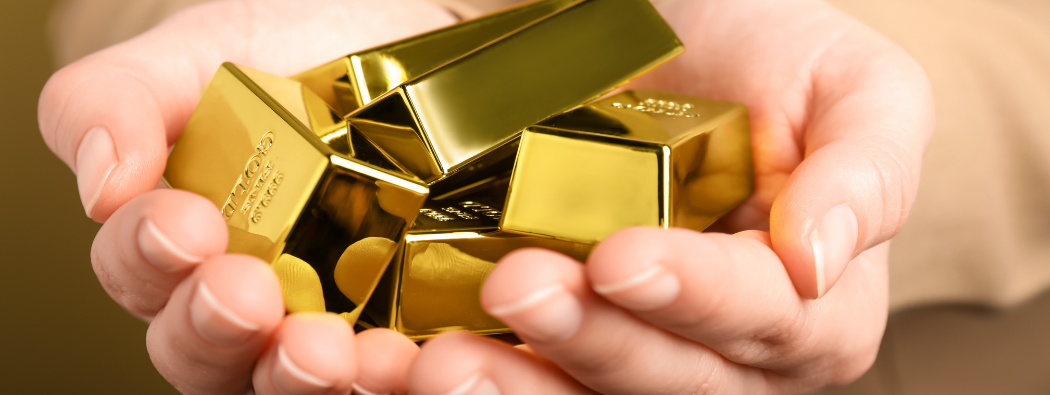
This question, “why is gold valuable?” has echoed for centuries, captivating investors, artists, and everyday people. Gold has fuelled empires, adorned royalty, and served as a cornerstone of global trade. Its timeless demand – from ancient Egyptian pyramids to modern exchanges – is a testament to its enduring allure.
But what makes this yellow metal so extraordinary? Is it beauty, durability, or something more? Join us on a journey to unlock the secrets of gold’s value, as we explore its surprising uses, historical significance, and its role in modern investment. Discover why gold is important, and why, even today, this ancient metal remains a powerful and irreplaceable asset.
Key Points
- Gold is used in jewellery, technology, held by central banks, and traded by investors, with significant demand from India and China.
- Gold’s value is driven by its scarcity, extraction difficulty, historical monetary role, and ability to retain value during economic uncertainty.
- Gold can be invested in or traded through physical ownership, ETFs, mining stocks, or derivatives. Like all assets, gold’s prices are influenced by economic conditions, interest rates, supply and demand dynamics, and geopolitical events.
Uses of Gold
There are four predominant markets for gold: used as jewellery, for industrial purposes, as a store of value, and as a precious commodity for trade.
Gold as Jewellery
Perhaps the most well-known use of gold is for jewellery purposes, being the dominant precious metal used in valuable pieces for adornment and safekeeping. Roughly half of all gold mined is used to make jewellery. Eastern countries are the modern hub for gold jewelry, with India and China accounting for up to half of all global demand [1].
Gold for Industrial Use
In addition to its attractive appearance, gold possesses other unique properties that make it suitable for a range of industrial applications. For instance, gold is a highly conductive metal with strong resistance to corrosion, rendering it a material of choice for use in sensitive electronics and other sophisticated equipment. You’ll find gold in computer circuits, connectors, and even some high-end audio equipment.
It is also malleable, inert, and non-toxic, allowing it to be safely used in the human body, such as for tooth fillings, and injected as micro-particles as a treatment for certain diseases [2].
Gold as Central Bank Reserves [3,4]
Central banks worldwide hold substantial amounts of gold as part of their foreign exchange reserves. This is because gold is universally accepted as a medium of exchange, stemming from its historical roles first as currency in the form of gold coins, and then later as a backing for paper money, adding to the reasons why gold is valuable beyond just adornment or trade.
Furthermore, central banks have been seen to increase their gold stores during times of global uncertainty – strengthening gold’s status as an important reserve asset. This was most recently observed in 2022 and 2023, when central banks worldwide added record levels of gold to their reserves.
Central banks’ appetite for gold continues to deepen, with 29% of respondents intending to increase their gold reserves in 2024. As central banks continue to purchase more gold, this will likely cause upward pressure on the price of the asset.
Gold for Trading by Investors
Another important market is gold trading, where gold is regarded as a precious commodity that is actively traded on the spot and futures markets.
Here, investors and traders attempt to profit from exposure to the price action of gold, which has historically demonstrated low or even negative correlation to the stock market.
While these correlations have been imperfect – i.e., gold does not always outperform the stock market – the precious metal is still widely regarded as a safe haven asset, with investor demand skyrocketing during periods of macroeconomic uncertainty.
Besides being a store of value and safe-haven asset, gold is also a popular choice in the financial derivatives markets. Gold futures are actively traded instruments in which two parties agree to trade a specified amount of gold at a predetermined price on a set future date. Depending on how the price of gold changes between the open and close of the futures contract, a gold futures trader may make a gain or a loss [5].
Reasons why Gold is Valuable
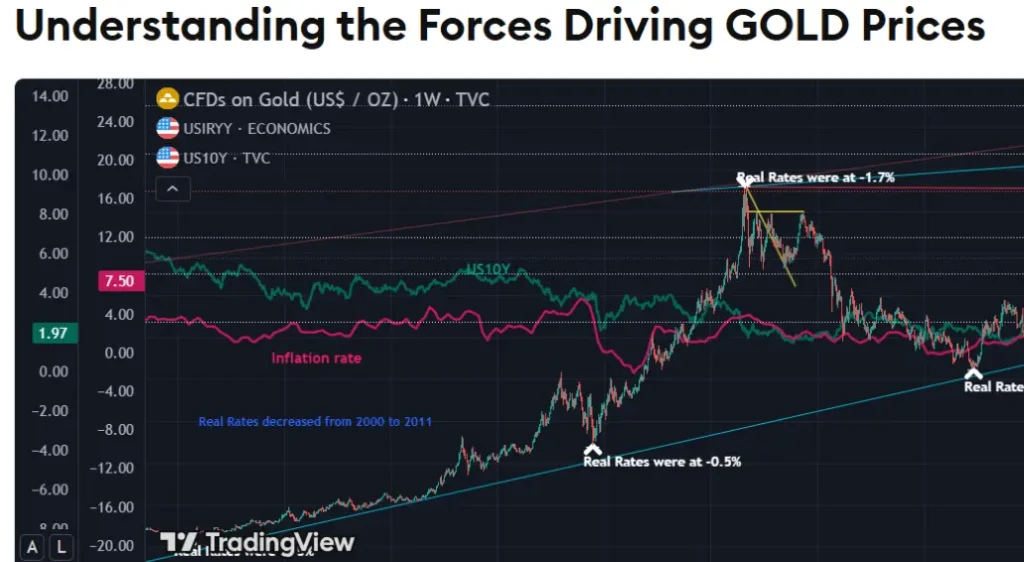
Gold’s value originates from a confluence of factors, both inherent to the metal itself and the historical and cultural meaning we’ve attached to it.
Scarcity and Difficulty of Extraction: Unlike some elements abundantly found on Earth, gold is a relatively rare metal. There are limited quantities of gold found on our planet, and once mined out, no new gold will enter the economic system. This scarcity, coupled with the complexity and expense of mining and refining gold, makes it a precious commodity. The process of extracting gold from ore is labour-intensive and requires sophisticated technologies, further contributing to its value.
The US Monetary System: The significance of gold is highlighted by its historical role in the US monetary system. The Gold Standard, in place until the early 20th century, tied the value of US currency directly to gold. This system provided a stable monetary framework and instilled confidence in the currency. Although the Gold Standard has since been abandoned, the legacy of gold backing currency still sponsors its perception as a reliable store of value.
Intrinsic Value: Gold’s intrinsic value is rooted in its unique physical and chemical properties, as well as its historical role as money. Unlike fiat currencies, which can be printed and devalued, gold’s value is not subject to the same inflationary pressures. This is what gives gold its value.
A Store of Value in Uncertain Times: In today’s world of fluctuating economic conditions and volatile currencies, gold offers stability. Unlike currencies susceptible to inflation, exchange rate risks and economic downturns, gold tends to hold its value over time. Investors look to gold when currencies fluctuate, which explains why gold holds its value better than many other assets. Gold’s historical performance suggests it retains its purchasing power even when other assets experience devaluation.
Gold as an Investment
In today’s complex financial landscape, gold remains a valuable asset class. It offers diversification for investors seeking to balance their portfolios and mitigate risk. Here’s a closer look at how gold can be integrated into an investment strategy:
- Physical Gold: Investors can purchase physical gold in the form of bars or coins. This provides direct ownership of the metal, offering a tangible asset outside the traditional financial system. However, storing and ensuring physical gold can be cumbersome and involve additional costs.
- Gold Exchange-Traded Funds (ETFs): These offer a more accessible way to invest in gold. ETFs are essentially baskets of securities that track the price of gold. Investors buy and sell shares of gold ETFs on a stock exchange, just like any other stock. This eliminates the need for storage and security concerns associated with physical gold.
- Gold Mining Stocks: For investors seeking a more indirect approach, investing in gold mining companies can offer a way to participate in the gold market. The stock price of these companies is often tied to the price of gold itself. However, this approach introduces an additional layer of risk, as the success of the mining company itself can also impact the stock price, not just the price of gold.
- Futures and Options Contracts: For experienced investors, futures and options contracts on gold can be used for more complex trading strategies. These derivatives enable investors to speculate on future gold price movements, potentially offering higher returns but also carrying greater risk.
What Affects Gold Price
Understanding the factors that influence the price of gold is crucial for any investor considering this asset class. These drivers highlight how gold became valuable as both a commodity and a safe-haven asset.
Period of Economic Uncertainty or Financial Crises
Gold is often seen as a safe-haven asset, particularly during periods of economic uncertainty or financial crises. During such times, investors and central banks tend to flock to gold, driving up its price. For example, during recessions or market crashes, the demand for gold typically rises as it is perceived as a stable store of value.
In contrast, in times of economic prosperity and stability, investors may prefer riskier assets that offer higher returns, which can put downward pressure on gold prices. This inverse relationship between economic health and gold demand highlights gold’s role as a defensive asset.
Interest Rates Set by Central Banks
Interest rates set by central banks also play a pivotal role in influencing gold prices. When interest rates rise, the opportunity cost of holding gold increases because gold does not yield any interest or dividends. As a result, higher interest rates can lead to a sell-off in gold holdings, potentially driving down the price.
On the other hand, when interest rates are low, gold becomes a more attractive investment because the opportunity cost of holding it is lower. This can lead to increased demand and higher prices for gold, making interest rate trends a critical factor for gold investors to monitor.
Supply and Demand of Gold
The basic principles of supply and demand are fundamental to the global market. On the supply side, gold mining production, central bank sales, and recycling efforts all contribute to the total amount of gold available in the market. On the demand side, jewellery, industrial applications, central bank purchases, and investment demand exert a significant impact. If the supply of gold remains steady while demand increases, the price is likely to rise.
Alternatively, new discoveries of gold deposits or a decline in demand for industrial or jewelry purposes can increase supply relative to demand, potentially lowering the price. Gold speculation and market sentiment also influence supply and demand dynamics, adding another layer of complexity to the gold pricing process.
Geopolitical Uncertainty
Geopolitical uncertainty is another major factor affecting gold prices. Political instability, international conflicts, and geopolitical tensions often drive investors to seek safe havens, with gold being a preferred option.
During such periods, the demand for gold can surge, resulting in price increases. Events such as wars, trade disputes, and political upheavals create uncertainty in financial markets, prompting investors to buy gold as a hedge against potential risks. The price of gold often reflects the level of geopolitical risk perceived by investors, making it a barometer of global political stability.
Understanding these factors can help investors make informed decisions about when to buy or sell gold. By monitoring global economic indicators, interest rate movements, supply and demand trends, and geopolitical events, investors can better anticipate changes in the gold market and strategise accordingly.
How to Trade Gold
Here, we delve into the various ways you can enter the “golden” arena:
1. Gold Exchange-Traded Funds (ETFs)
If the logistics of physical gold ownership seem daunting, consider Gold ETFs as an alternative. These are investment vehicles that track the price of gold. You buy and sell shares of the ETF on a stock exchange, just like any other stock. Benefits of ETFs include:
- Accessibility: ETFs offer a lower barrier to entry compared to physical gold. You can start investing with relatively small capital and easily buy or sell shares through your brokerage account.
- Liquidity: ETFs offer high liquidity, allowing you to quickly buy or sell your shares on the stock exchange.
- Diversification: Some ETFs hold a basket of gold-related assets, offering a broader exposure to the gold market.
2. Gold Mining Stocks
As discussed earlier, gold mining stocks may be suitable for investors seeking a more indirect exposure to the gold market. The stock prices of these companies are often tied to the price of gold itself, and when the price of gold increases, mining companies tend to become more profitable, potentially leading to a rise in their stock prices. However, this approach comes with its own set of considerations:
- Company-Specific Risk: The success of the individual mining company itself plays a role in the stock price, not just the price of gold. Factors like production costs, management decisions, and unexpected events can all impact the stock price.
3. Future and Options Contracts
For seasoned investors with a strong understanding of derivatives, futures, and options contracts on gold, these instruments can be utilized for more complex trading strategies. These contracts allow you to speculate on the future price movements of gold. Here’s a brief overview:
- Futures Contracts: These represent an agreement to buy or sell a specific amount of gold at a predetermined price on a future date. Investors can use futures contracts to hedge against price fluctuations or to speculate on price movements.
- Options Contracts: These give investors the right, but not the obligation, to buy or sell gold at a certain price by a certain date. Options offer the potential for leveraged gains but also carry the risk of significant losses.
Whether you’re interested in trading gold pairs or investing in gold directly, you’ll first need to set up an account with a trading broker. This account will grant you access to the gold market and allow you to execute trades.
Typically, there are fees associated with trading through a broker. One important fee in gold trading is the spread, which is the difference between the bid and ask price. Understanding the spread can help you assess potential returns from your trades.
Choosing the right broker is crucial. Brokers vary in terms of fees, trading tools, and resources, all of which can influence your trading experience. It’s essential to select a broker that offers a user-friendly platform, reliable customer support, and comprehensive educational resources to help you grasp trading concepts more effectively.
4. Contracts for Differences (CFDs)
Contracts for Difference (CFDs) offer an alternative method for trading gold without physically owning the asset. CFDs enable traders to speculate on gold price movements by entering into a contract with a broker. Here’s how they work:
- Leverage: CFDs typically offer higher leverage than traditional trading methods, allowing traders to control a larger position with a smaller amount of capital. This can amplify both gains and losses.
- Flexibility: CFDs allow for both long and short positions, enabling traders to potentially profit from both rising and falling gold prices.
- No Ownership: With CFDs, you don’t own the physical gold, eliminating concerns about storage and security. However, this also means you miss out on the tangibility of owning gold.
Conclusion
Gold’s value has captivated societies from ancient civilisations to modern investors, owing to its beauty, durability, and scarcity. Its intrinsic value is rooted not only in its physical properties but also in its historical role as a reliable store of wealth and a symbol of significance in monetary systems.
Investing in gold offers various options, including physical gold, ETFs, and derivatives. Each method has distinct benefits and risks, catering to different investor preferences. Understanding factors like global economic conditions, interest rates, supply and demand, and geopolitical events is crucial for making informed investment decisions.
In trading, gold offers a range of strategies, from long-term investments to day trading and arbitrage. Prospective traders should grasp essential concepts, such as gold pips, and utilize analytical methods, including fundamental and technical analysis, to navigate the gold market effectively.
Start trading gold CFDs with Vantage today. Open a live account now!
FAQs
1. Why is gold valuable?
Gold is valuable because it is scarce, difficult to extract, and highly durable. Beyond its physical qualities, its historical role in global trade and monetary systems reinforces its lasting worth as a precious asset.
2. Why is gold important in modern times?
Gold remains important today as a store of value, a hedge against inflation, and a diversification tool for investors. It also supports industries such as jewelry, technology, and central bank reserves, giving it both financial and practical significance.
3. What gives gold its value?
Gold’s value stems from its rarity, durability, and unique physical properties, including conductivity and resistance to corrosion. Its universal acceptance across cultures and its historical role as a medium of exchange strengthen what gives gold its value.
4. Does gold hold its value during inflation?
Yes, gold often holds its value in inflationary times, which is why it is viewed as a safe-haven asset. When currencies weaken, investors and central banks increase demand for gold, helping it preserve purchasing power.
5. How did gold become valuable historically?
Gold became valuable because ancient societies recognised its rarity, beauty, and durability. Over centuries, it was adopted as currency, a backing for paper money, and trusted store of wealth during uncertain times.
Reference
- “Gold surge could dull Indian wedding season demand; China outlook robust – Reuters”. https://www.reuters.com/markets/commodities/gold-surge-could-dull-india-wedding-season-demand-china-outlook-robust-2024-03-07/. Accessed 30 July 2024.
- “Uses of gold – BullionByPost”. https://www.bullionbypost.co.uk/index/gold/uses-of-gold/. Accessed 30 July 2024.
- “Why Has Gold Always Been Valuable? – Investopedia”. https://www.investopedia.com/articles/investing/071114/why-gold-has-always-had-value.asp. Accessed 30 July 2024.
- “2024 Central Bank Gold Reserves Survey – World Gold Council”. https://www.gold.org/goldhub/research/2024-central-bank-gold-reserves-survey. Accessed 30 July 2024.
- “Gold ETFs vs. Gold Futures: What’s the Difference? – Investopedia”. https://www.investopedia.com/articles/exchangetradedfunds/08/gold-etf-gold-futures-showdown.asp. Accessed 30 July 2024.