





 Updated
What is Fibonacci Retracement?
A well-known technical analysis tool used by many traders to navigate erratic markets, the Fibonacci Retracement identifies potential support and resistance levels based on previous price movements.
The Fibonacci sequence was discovered by Leonardo Fibonacci in 1202, and his mathematical discoveries continue to shape the modern world in various ways. His first discovery was the “Fibonacci Sequence”, referring to a specific mathematical sequence of numbers, but what intrigued Leonardo was the ratio among the numbers, more specifically, the ratio 1.618. Dubbed as “The Golden Ratio”, this number exists not only in the Fibonacci sequence but in the financial markets as well[1].
Key Points
- Fibonacci Retracement is a technical analysis tool used to identify potential support and resistance levels based on past price movements and the ‘Golden Ratio’ of 1.618.
- The tool divides a price swing into levels, providing entry points and take-profit or reversal targets to enforce structured trade planning.
- Fibonacci Retracements can be found and utilised on trading platforms such as MetaTrader and TradingView, aiding traders from entry to exit points across various market conditions.
Fibonacci Trading: How to Trade Using Fibonacci Retracement
In addition to the famous Fibonacci Retracement, many other tools serve as extensions, such as the Trend-based Fibonacci Extension, Fibonacci Channel, and Fibonacci Time Zone.
However, the primary focus would be on the retracement. The Fibonacci Retracement can be applied to many CFDs across the foreign exchange, stock, and commodities markets.
In financial markets, by taking two extreme points on a swing trend, the tool divides the area between them, which serves as an area of interest for traders to consider a trade. Furthermore, it provides insight into potential take-profit levels or levels at which markets may reverse.
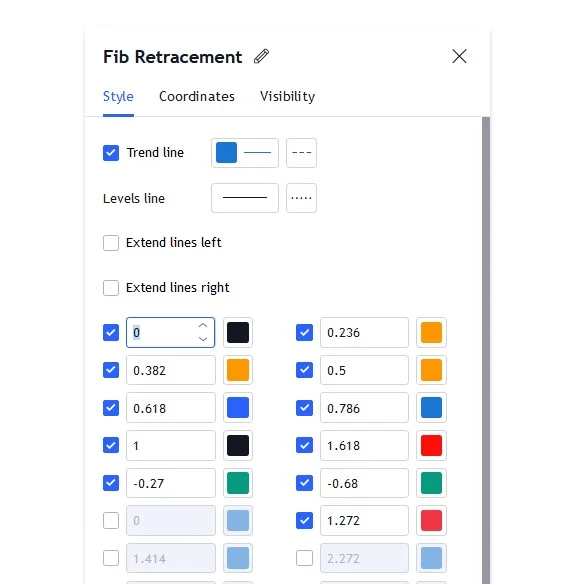
| Fibonacci Retracement Levels | Usage |
| 0%, 100% | Reversal levels 1 & 2, if the final retracement level (78.6%) does not hold. |
| 23.6%, 38.2%, 50% | Shallow levels of retracement. Generally, it’s not recommended to enter a trade. |
| 61.8%, 78.6% | Take profit targets 1 & 2 after a successful retracement. |
| -27%, -68% | Deep levels of retracement. Generally, it’s preferable to enter a trade, as it offers a better risk-to-reward ratio. |
| 127.2%. 161.8% | Reversal levels 1 & 2, if final retracement level (78.6%) does not hold. |
Fibonacci Retracement Strategy
Just through the Fibonacci Retracement tool alone, a trader can determine four key points; determining the trend (0% & 100%), areas of entry (23.6% to 78.6%), multiple areas to secure profits (-27% & -68%), areas that market would reverse if the main bias does not hold (127.2% & 161.8%).
This essentially enforces structure in every trade, which in turn can help to eliminate human errors.
How to Use Fibonacci Retracement
The case studies below will highlight the proper use of the Fibonacci retracement tool, from planning through execution to exit strategy. The case studies will cover both buy and sell examples across different CFDs on currency pairs to demonstrate the versatility of this tool.
The examples below are used for educational purposes only. Past performance is not an indication of future results, and any reliance on such is at your own risk.

Case Study 1 – Fibonacci Retracement Buy Application
Case study 1 shows a buy trade on XAUUSD using the Fibonacci retracement tool.
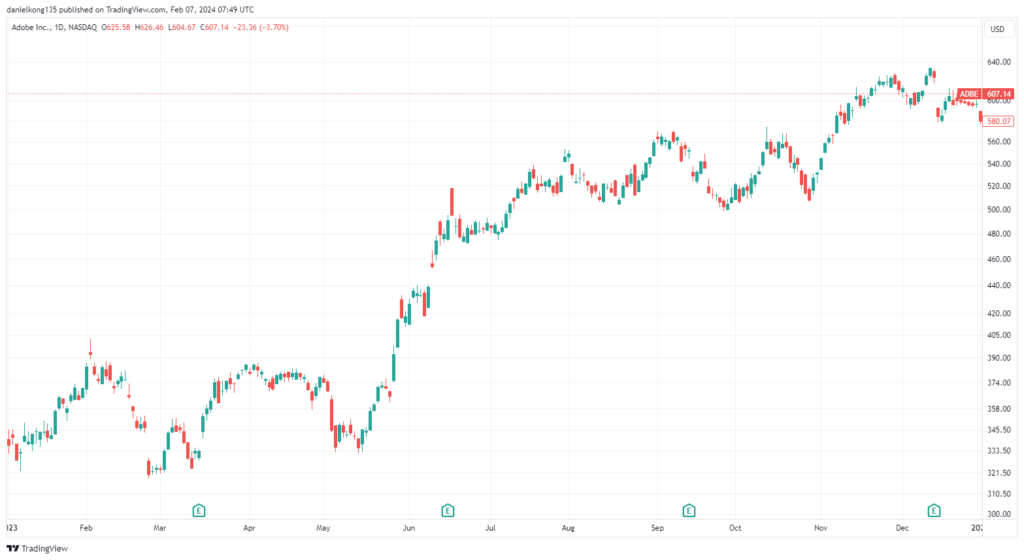
Figure 1 – XAUUSD D1 Fibonacci Retracement Buy Application (https://www.tradingview.com/x/sbA18OGg/)
Assuming a bullish bias, Figure 1 shows an identification of a swing low to swing high on gold using the Fibonacci Retracement tool as indicated by the purple boxes.
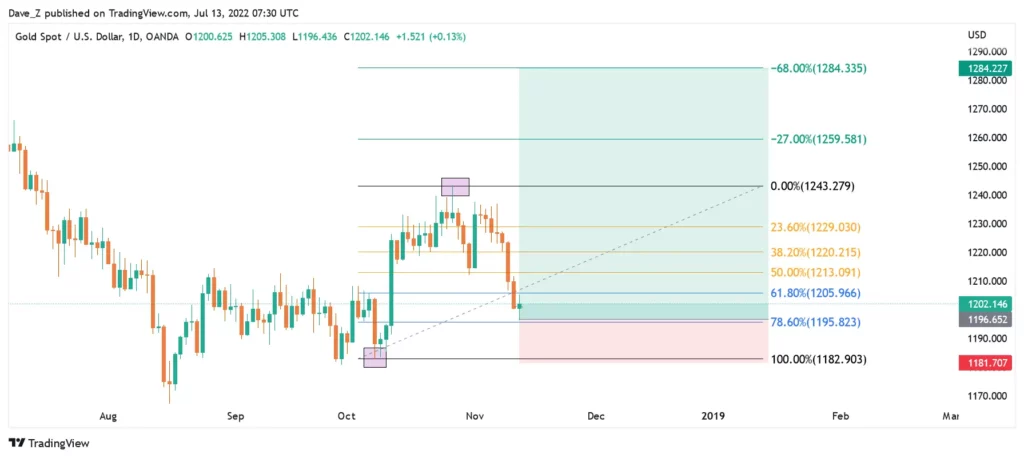
Figure 2 – XAUUSD D1 Fibonacci Retracement Entry Point (https://www.tradingview.com/x/HfIHMdIi/)
In Figure 2, the gold market retraced to the 78.6% Fibonacci Retracement level, which suggests a potential buy entry. A general rule of thumb is to place the stop loss one Fibonacci level below the entry, in this case, below the 100% level. The take-profit level would be -68%, giving this trade a potential risk-to-reward ratio of 1:5.8.
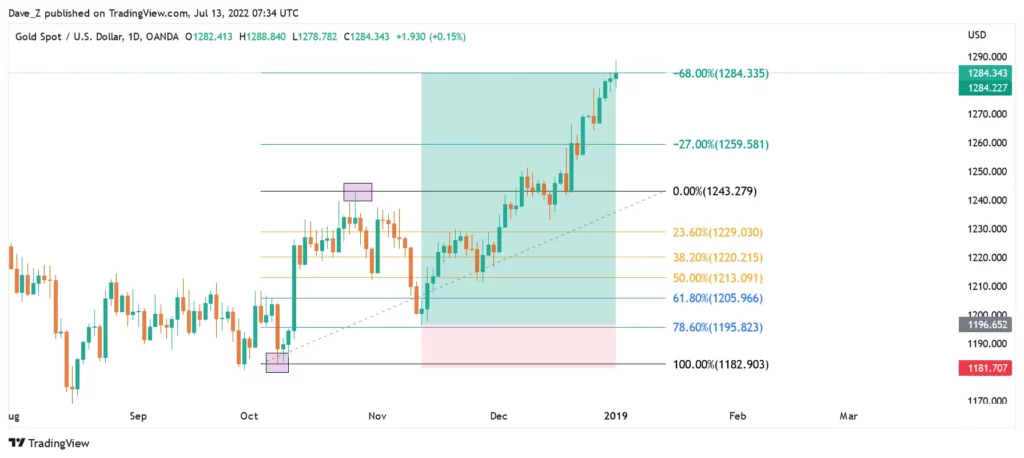
Figure 3 – XAUUSD D1 Completed Fibonacci Retracement Buy Trade (https://www.tradingview.com/x/dKwtcv1a/)
Figure 3 shows the gold trade hitting take-profit targets 1 and 2, further highlighting how the tool structures the trade from start to finish.
Case Study 2 – Fibonacci Retracement Sell Application
Case study 2 shows a sell trade on AUDUSD using the Fibonacci retracement tool.
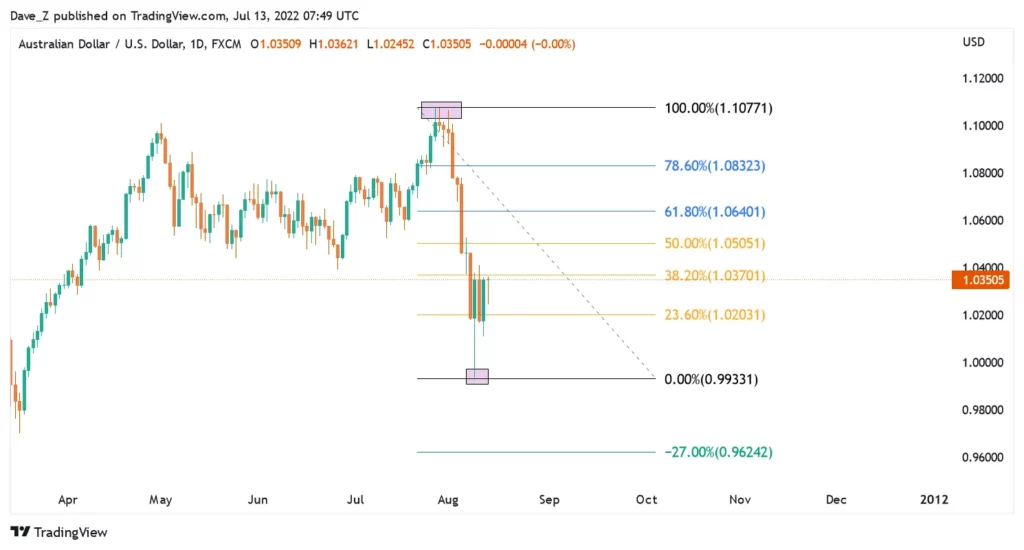
Figure 4 – AUDUSD D1 Fibonacci Retracement Sell Application (https://www.tradingview.com/x/8MwzqHMd/)
Assuming a bearish market, Figure 4 shows AUDUSD with Fibonacci retracements from the high to the low, indicated by the purple boxes.
Figure 5 – AUDUSD D1 Fibonacci Retracement Entry Point (https://www.tradingview.com/x/nrJctdCz/)
In Figure 5, AUDUSD is retracing to the 61.8% level, suggesting a potential sell entry with a stop-loss one level above the entry (78.6%) and a target at -27%. The potential risk-to-reward ratio for this trade would be 1:5.2.
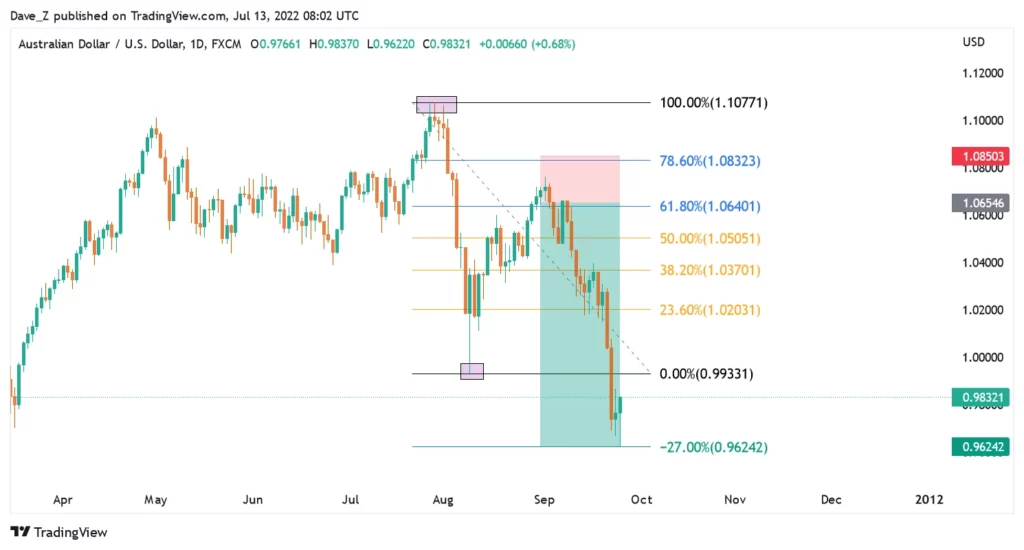
Figure 6 – AUDUSD D1 Completed Fibonacci Retracement Sell Trade (https://www.tradingview.com/x/YZE0dh6d/)
A completed AUDUSD sell idea in Figure 6, with markets hitting Take Profit 1 level, emphasising the trade scaffolding that the Fibonacci Retracement has to offer.
Case Study 3 – Fibonacci Retracement Reversal Levels
At times when the trader’s bias is misaligned (bullish bias in a bearish market), reversal levels help the adaptive individual adjust to changing market conditions. Case study 3 shows the effective use of Fibonacci’s reversal levels on GBPUSD, switching from a buy to a sell bias.
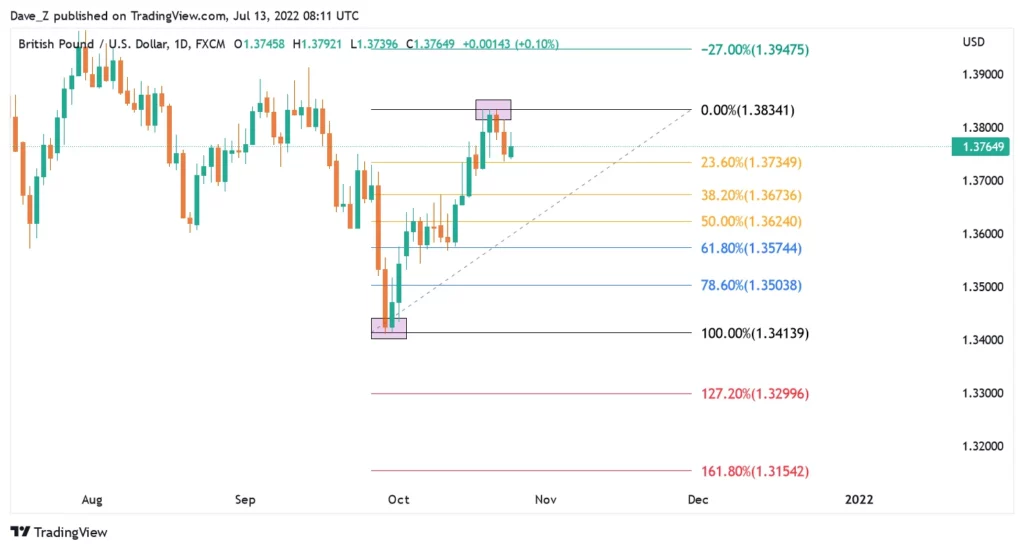
Figure 7 – GBPUSD D1 Fibonacci Retracement Reversal Application (https://www.tradingview.com/x/KKSx5xPz/)
Note in Figure 7, the Fibonacci Retracement is applied with the intent of a GBPUSD buy trade idea, from a swing low to a swing high.
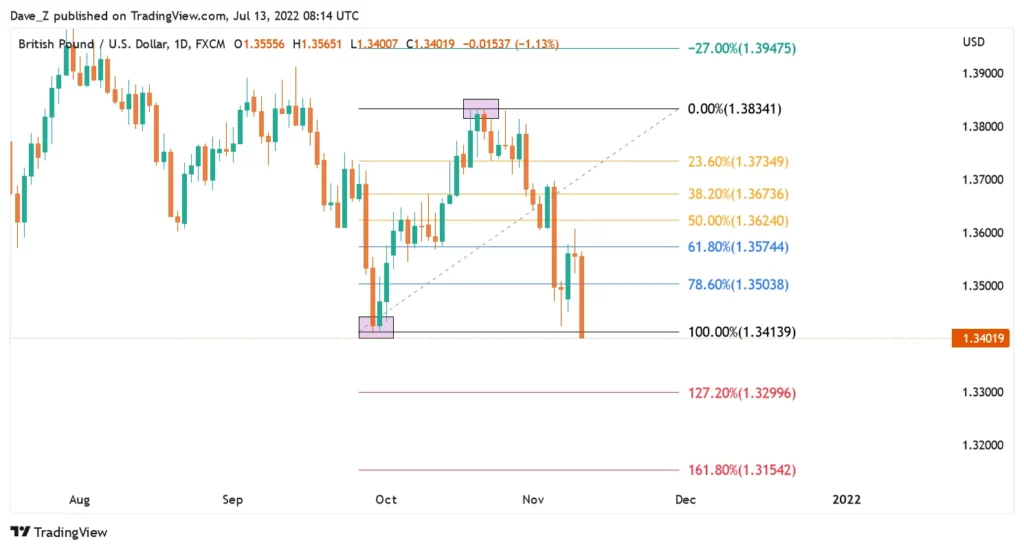
Figure 8 – GBPUSD D1 Buy Retracement Levels Not Holding (https://www.tradingview.com/x/OL1I9YVg/)
In Figure 8, the retracement levels appear to carry little weight, and GBPUSD has broken below the 100% level.
Figure 9 – GBPUSD D1 Fibonacci Reversal Sell Idea (https://www.tradingview.com/x/tRbVpdaS/)
Figure 9 shows an adaptive sell trade idea below the 100% level when entry areas do not hold weight, targeting reversal levels 1 & 2, with a risk-to-reward ratio of 1:2.3.
Where to find Fibonacci Retracement in MetaTrader 4/5 (MT4/5) & TradingView
The Fibonacci Retracement tool is not limited to the platforms mentioned. However, here’s how you can find the Fibonacci Retracement tool on the following platforms.
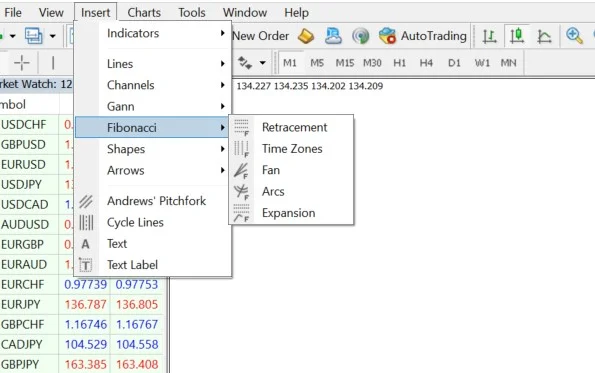
1. MT 4/5 – Insert > Fibonacci > Retracement
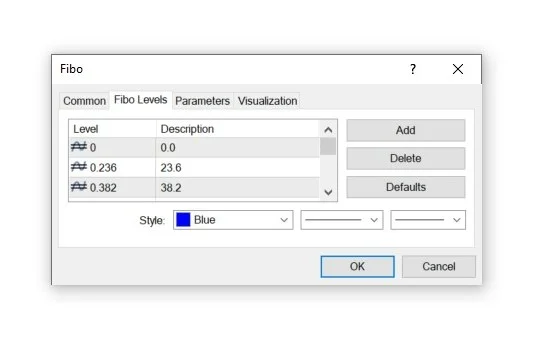
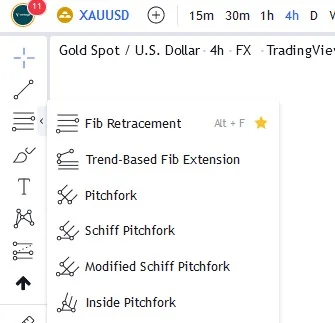
2. TradingView – Left toolbar > Fib Retracement
Conclusion
The practical application of the Fibonacci Retracement serves as a framework for every trade, from entry points to take-profit and reversal levels. Traders should consider the availability of numerous tools. Nevertheless, the Fibonacci Retracement is a fantastic tool to have in one’s trading arsenal.
Can’t wait to apply the secrets of Fibonacci retracement? Try practising it through your own forex demo account.
Start Trading with Vantage
Access markets including forex, commodities, indices, shares/stocks, and more, at low cost.
Start trading CFD stocks by opening a live account here, or practice trading with virtual currency with a demo account.
You can also sign up for our free weekly webinars that break down current market conditions and discuss potential trade setups for the week.
References
[1] Gies, F. C. (n.d.). Fibonacci | Biography, Sequence, & Facts. Encyclopaedia Britannica. Retrieved July 22, 2022, from https://www.britannica.com/biography/Fibonacci
[2] Davis, F. W. (2020, January 16). How to Use Fibonacci Extensions to Increase Your Profitability. Forex With An Edge: Advanced Strategies For Serious Traders. https://forexwithanedge.com/fibonacci-extensions/
[3] Shankar, R. S. (2020, February 25). 67. Using Fibonacci Extensions To Place Accurate Take-Profit Orders. Forex Academy. https://www.forex.academy/67-using-fibonacci-extensions-to-place-accurate-take-profit-orders/