





 Updated

Day trading gold in South Africa is one way for retail traders to capitalise on market opportunities. Here, we look at what day trading gold involves, the various gold instruments available, and how to get started trading them. We also include valuable tips and tricks to keep in mind while trading gold.
Key Points
- Day trading gold involves buying and selling gold several times in a trading day to take advantage of short-term price movements.
- Gold can be traded using contracts for differences (CFDs), futures, exchange-traded funds (ETFs), forex, bullion, and gold certificates.
- Factors that affect the gold market include inflation, central banks, and gold supply.
An Overview of Day Trading Gold: What It Involves
Day trading gold involves buying and selling gold several times in a trading day to take advantage of short-term price movements [1].
As a day trader, you aren’t interested in owning the gold itself. Instead, you prefer to trade various gold market instruments for trading opportunities. Any benefit or loss you incur results directly from your market predictions, with gold as your underlying asset.
As a day trader, you depend on volatility in the gold markets to speculate and make short-term trades. Some of these factors include upcoming news and trends.
Ways To Day Trade Gold
There are plenty of ways to access gold in the financial markets. Let’s take a look at some instruments you can access:
Claim Your Free Gold Trading Account
1. Gold Contract for Differences (CFDs)
Gold CFDs are a way to trade gold, especially for those with limited capital. With CFDs, you can trade gold on margin and enjoy greater returns from the leverage your broker provides you.
With leverage, you have a double-edged sword. Without a proper strategy, you could lose more than just your capital. On the other hand, you can now enjoy greater trading opportunities through accurate price predictions.
Here are some quick advantages of gold CFDs:
- Access to gold markets at a lower cost
- No need to own the underlying asset
- You don’t need to pay the total value of gold before trading the CFD
- You can trade gold in both the short-term and long-term
- Access to leverage
2. Gold Futures
Gold futures are regulated contracts that oblige you to buy or sell a precise amount of gold at a fixed price on a future date.
Most of the time, gold futures help gold businesses and traders hedge their positions against losses if prices move against them. Also, as a day trader, gold futures are a brilliant instrument for trading gold today because gold holds intrinsic value, and most investors use it as a strategy to beat inflation.
Like CFD markets, futures markets offer high liquidity, allowing you to maximise opportunities in almost any market environment.
3. Gold ETFs
Gold ETFs are derivatives that hold several assets in a single basket. Unlike most trading tools, ETFs diversify your risk and help you avoid losing everything at once.
Buying a gold ETF allows you to participate in the gold markets without owning the actual precious metal.
4. Gold Day Trading in Forex (XAU/USD)
Gold trading in forex is a standard that measures the price of an ounce of gold against the US dollar. Trading Gold FX gives you exposure to gold through the forex market. Since changes in USD values affect gold prices, trading gold in forex can help reduce your risk during market crashes.
Volatility, supply and demand, and liquidity are factors to consider before trading gold in forex.
5. Gold Bullion
Gold bullion is physical gold kept in bars, coins, or ingots. Bullion can serve as legal tender or a store of value for governments and other institutions. As an investor, you can own bullion through brokers operating in bullion markets.
As a physical asset, bullion is widely seen as a perfect store of value [2].
6. Gold Certificates
Gold certificates are paper notes that represent the dollar value of the gold you hold in the US Treasury’s reserves. The significant difference between gold certificates and other trading instruments is that you own the gold as the underlying asset.
The disadvantage of gold certificates is that they can quickly go from valuable to worthless, depending on the company’s financial status. For instance, if your brokerage firm goes bankrupt, any gold certificates it issued automatically become worthless.
What Makes Gold Move?
Several factors affect the gold markets and how prices move:
1. Inflation
Because of its inverse relationship with the US dollar, inflation usually drives up gold prices. Also, increased demand for gold will drive its price up, regardless of whether it’s a bull or bear market [3].
2. Supply
Even though more gold comes into the market through mining, it doesn’t cause gold prices to plummet. Most of the time, other users take it and use it as a store of value. That means its supply decreases, and prices remain high.
3. Central Banks
Central banks are some of the largest buyers of gold. When markets boom, they’ll still buy more gold, keeping markets stable and driving gold prices down.
How To Start Day Trading Gold
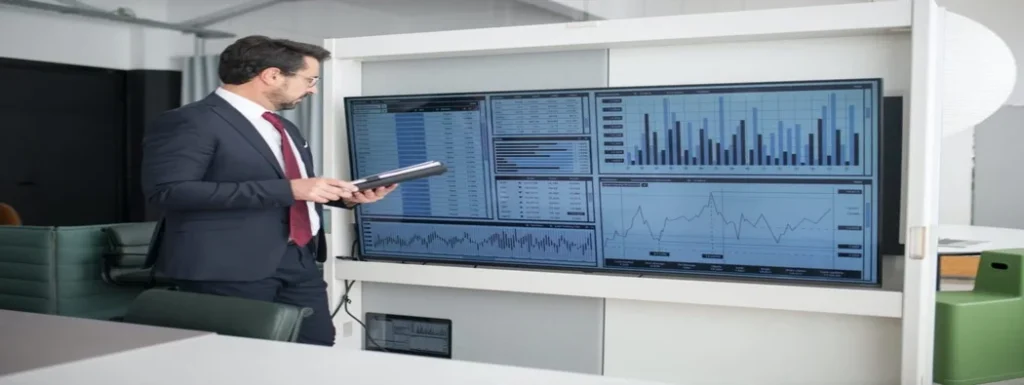
You can get started day trading gold in a few simple steps. Here’s how to go about that:
1. Open Your Gold Day Trading Account
To start day trading gold, open a trading account with a broker. Your broker will ask for a copy of your ID and proof of address to verify your account. Once approved, you gain instant access to the markets, including instruments like Gold CFDs, ETFs, and Futures that you can trade immediately.
Before placing your first trade, add funds to your trading account by connecting it to your bank account or a credit or debit card.
Claim Your Free Gold Trading Account
2. Develop a Gold Day Trading Strategy
You can enter and exit markets with a trading strategy while efficiently managing your capital. Strategies help you take advantage of market opportunities while reducing your risk of losses.
3. Choose A Gold Instrument to Trade
According to your trading strategy, pick a gold instrument to trade. It could be Gold CFDs, Futures, Options, or Gold FX. According to your risk management strategies, you can trade as many markets as you want and get into as many positions as you’d like.
The only markets unavailable this way would be gold bullion and certificates. Besides these, all other gold instruments are available without owning the precious metal.
4. Open Your First Position
Open your first gold position in your chosen market from your brokerage account. Depending on prevailing market conditions and your strategy, you can go long or short. You can place stop-loss and take-profit orders to manage your capital efficiently.
5. Monitor And Close Your First Position
You can now monitor all your open gold positions throughout your trading day across weeks or months. To do so, log in to your trading account and monitor your portfolio’s performance. You can also watch it via email, SMS, and app alerts.
Once you’ve made an accurate prediction, close your open position and take your profits, though the opposite can also happen and cause losses if the market moves against you. Your broker will take out any fees or charges directly from your earnings.
Tips and Tricks for Day Trading Gold
Here are some top tips and tricks that can help you day trade gold:
1. Open a Demo Account.
Most brokers offer a demo account to help you train and learn market strategies that work. Demo accounts prepare you to trade with real money. Also, they help you master indicators and other technical tools and resources.
2. Blogs & Newsletters
Learn new things and read helpful notes in newsletters and blogs. You can also join day trading discussion forums where experts give their views and suggestions on better ways to trade gold.
3. Academic
As a new trader, you can also learn how to trade gold from many online courses and trading workshops. You can also download articles and tutorials from skilled traders to learn more from their personal and professional experiences.
4. Government Treasury Actions
The US National Treasury plays a crucial role in shaping gold prices. It also sets bank rates that influence gold prices in the market.
5. Current News Updates
Day traders in the gold market stay up to date with the latest news, which can maximise small opportunities in price movements or demand.
Conclusion
Armed with the knowledge and tips from this article, you are now better prepared to start trading gold via CFDs. You can start by opening a demo or live account from Vantage today.
References
- “Day Trader: Definition, Techniques, Strategies, and Risks – Investopedia” https://www.investopedia.com/terms/d/daytrader.asp Accessed 18 Jan 2024
- “Demo Trade Your Way to Success – Babypips” https://www.babypips.com/learn/forex/demo-your-way-to-success Accessed 18 Jan 2024
- “7 Common Factors That Influence Gold Prices – The Motley Fool” https://www.fool.com/investing/2016/10/13/7-common-factors-that-influence-gold-prices.aspx Accessed 18 Jan 2024