






 Updated
Forex trading books may help traders understand foundational concepts and market structure. Many online sources, such as blog lists, quote similar titles, but few explain which books are suitable for beginners and why each one may be relevant.
That is significant because not all traders have the same objective. Some aim to realise the basics of the forex market. Some people want to enhance their trading strategy, risk management, or discipline. A reading list may reflect different learning needs depending on the trader’s experience level.
Lastly, it is important to note that suitable books for forex traders are not always those with “forex” in their titles. The most valuable books on the topic include a few on chart reading, trading psychology, and risk management. These areas are widely considered important aspects of trading development.
Below are 10 forex trading books for both beginners and advanced traders, along with what makes each one worth reading.
1. Currency Trading For Dummies by Brian Dolan and Kathleen Brooks
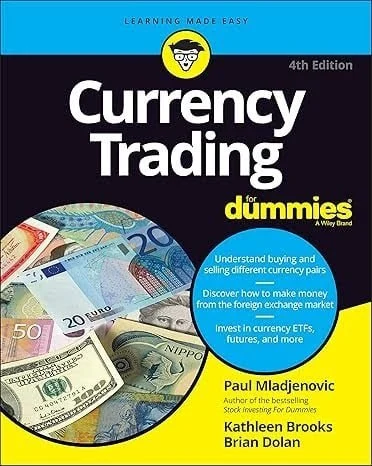
This book is commonly used as an introductory guide to forex concepts. It breaks down the core components of the forex market in a simple, easy-to-follow way. Readers can learn how currency trading works, what drives market movements, and how traders approach buying and selling currency pairs.
For readers new to forex, this book may provide an introductory overview of core concepts. It may help readers become familiar with core and fundamental concepts in forex trading before moving on to more advanced material.
Key Takeaways From This Book
- This book may be suitable for readers looking for a simple entry point into forex.
- It provides a clear, easy-to-read overview of the forex market, explains how currency trading works, and is useful not only for beginners but also for more experienced traders seeking a quick refresher on the basics.
2. Forex Trading: The Basics Explained in Simple Terms by Jim Brown
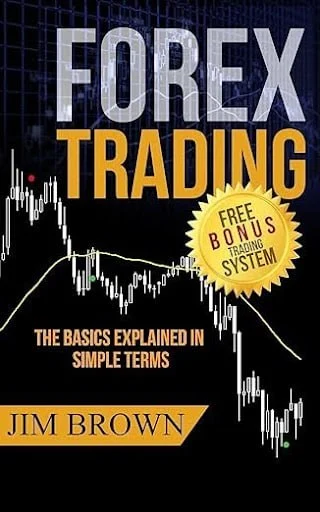
As the title suggests, this book keeps things simple. It is written for beginners who want a clear explanation of forex trading without too much complex language. It covers key terms, how trades work, how to choose a broker, and how to approach trading practically.
This book is especially useful for readers who feel overwhelmed by the amount of forex content online and want a more structured introduction.
Why You Should Consider This Book
- Choose this if you want a beginner book that does not talk over your head.
- It uses clear, concise language and covers core topics like forex definitions, entry and exit strategies, trading psychology, currency pairs, and broker selection.
- It also includes Jim Brown’s trading approach, which some readers may find useful when structuring their analysis.
3. Day Trading and Swing Trading the Currency Market by Kathy Lien
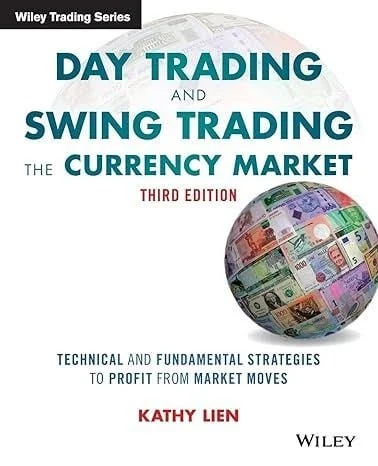
This book is often read by traders who already understand the basics and want to go deeper. It examines both technical and fundamental analysis and explains the forces driving currency markets. It also explores different trading styles and how traders can respond to global market events.
Kathy Lien’s book is often regarded as one of the most useful forex titles for traders seeking to move from basic knowledge to practical market understanding.
Why You Should Consider This Book
- It combines theory with practical learning, covers both fundamental and technical strategies, and walks readers through the short- and long-term factors that affect currency pairs.
- It is presented as a guide to help retail traders better understand how larger market participants operate.
4. The Little Book of Currency Trading by Kathy Lien and Boris Schlossberg
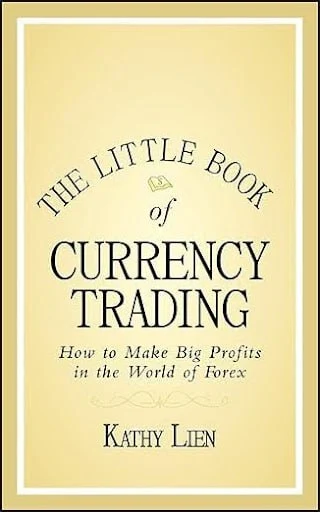
This book offers a more focused look at the currency market and the factors that drive exchange rate movements. It helps readers understand how economic news, central banks, and market sentiment can affect currency prices.
It is a good choice for readers who want a shorter, more direct book that still offers useful insight into how the forex market behaves.
Why You Should Consider This Book
- It explains the forces that drive currency movements, outlines approaches traders use to analyse both short- and long-term currency movements, and covers risk considerations and broader instruments such as currency-based ETFs. However, these carry their own risks and may not be suitable for all traders.
- It is especially useful for readers who want forex knowledge in a shorter, more approachable format.
5. Japanese Candlestick Charting Techniques by Steve Nison
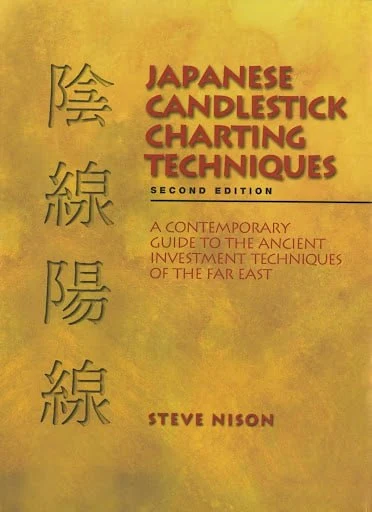
Candlestick charts are widely used in forex trading, and this book remains one of the most respected guides on the subject. Steve Nison explains how candlestick patterns work and how traders use them to read price action and spot possible market shifts.
Although this book is not limited to forex, it is highly relevant to forex traders seeking to strengthen their chart-reading skills.
Why You Should Consider This Book
- The book is widely recognised for introducing candlestick analysis to Western traders and offers a deep, practical education in pattern reading.
- It also shows how candlestick methods can be combined with other technical tools and applied across today’s markets, with added focus on active trading and capital preservation.
6. Technical Analysis of the Financial Markets by John J. Murphy
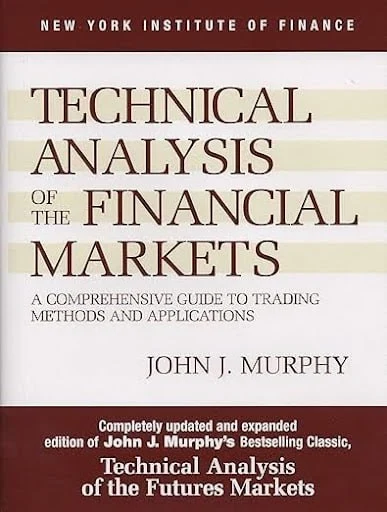
This is a classic book on technical analysis. It treats and covers a wide range of tools and methods used by traders to analyse price movements, trends, momentum, and market behaviour. While it is broader than forex alone, the lessons apply well to currency trading.
Advanced traders often find this book useful because it gives a deeper understanding of chart-based analysis and trading structure.
Why You Should Consider This Book
- It is suitable for traders seeking a broader technical analysis foundation that goes beyond forex alone.
- A thorough but accessible guide that covers chart reading, indicators, candlestick charting, intermarket relationships, stock rotation, and updated examples. It may appeal to traders who prefer a comprehensive reference that covers multiple technical analysis concepts in a single resource.
7. How to Make a Living Trading Foreign Exchange by Courtney D. Smith
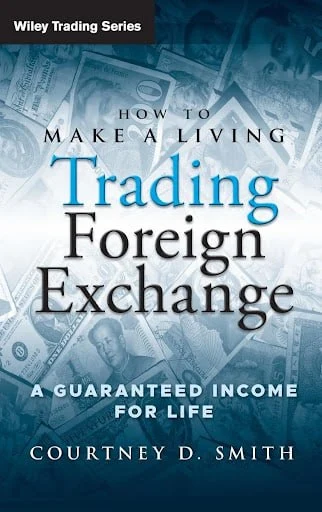
This book is helpful for traders who want more than a basic introduction. It explores trading methods, risk control, and trading psychology. It discusses discipline and risk awareness and encourages realistic expectations about trading outcomes.
One of the main strengths of this book is its balance. It does not focus only on strategy. It also stresses the importance of discipline and sound money management.
Why You Should Consider This Book
- The book covers six trading strategies, as well as risk management and trading psychology. As with all trading strategies, results are not guaranteed, and losses are possible.
8. Trading for a Living by Dr. Alexander Elder
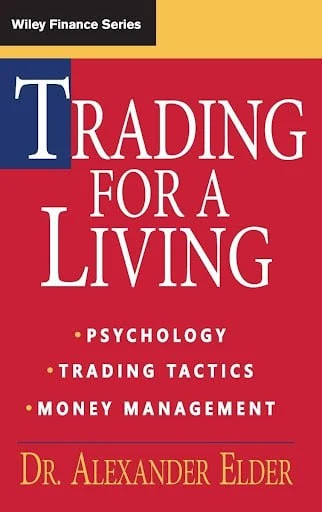
Though not forex-specific, it is highly valuable for forex traders. It focuses on three key areas: mindset, method, and money management. These are some of the most important parts of successful trading, regardless of the market.
Readers interested in decision-making, trading structure, and risk management may find this book a relevant resource.
Why You Should Consider This Book
- The book covers topics including trader psychology, market behaviour, building a trading system, and managing entries, exits, and stop levels.
9. The Disciplined Trader by Mark Douglas
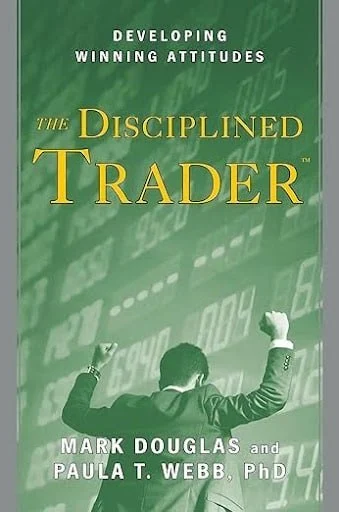
Many traders struggle not because they lack knowledge, but because they struggle with consistency, patience, and emotional control. This book addresses that problem directly. Mark Douglas explains how fear, doubt, and bad habits affect trading results and why mental discipline matters.
This is a strong read for traders who keep making the same mistakes, even when they know what they should be doing.
Why You Should Consider This Book
1. It helps traders confront the mental habits that keep damaging their results and explains why success in trading often requires a very different mindset from success in other parts of life
10. Trading in the Zone by Mark Douglas
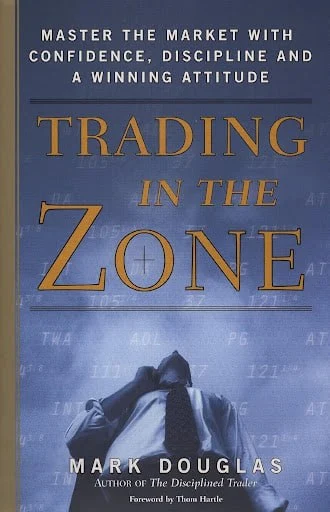
This is one of the most widely recommended books on trading psychology. It helps traders understand how to think in terms of probability, accept uncertainty, and stay emotionally steady while trading.
Traders who want to explore the psychological aspects of trading may find this book a relevant read. It does not teach market basics, but it can help traders develop the mindset needed to follow a system with confidence and discipline.
Why You Should Consider This Book
1. It explores the psychological aspects that some traders associate with inconsistent decision-making, including focus and confidence, and may be of interest to traders looking to understand their own behaviour better.
Which Forex Trading Book Should You Read First?
The right book depends on where the reader is in their trading journey.
A complete beginner may benefit most from starting with Currency Trading For Dummies or Forex Trading: The Basics Explained in Simple Terms. These books make forex easier to understand and help readers build a strong starting point.
A trader who already knows the basics and wants to improve strategy may find more value in Day Trading and Swing Trading the Currency Market, The Little Book of Currency Trading, or How to Make a Living Trading Foreign Exchange.
A trader who struggles with discipline, fear, or inconsistency may gain the most from Trading for a Living, The Disciplined Trader, or Trading in the Zone.
Why Traders Read Forex Books
1. Forex trading books may help explain how the market works, what drives currency prices, how to read charts, and why risk is important. Whereas one might hop from video to social post to social post, readers have a clear line of sight that takes them from simple ideas and into real trading concepts. These books aim to provide that foundational structure.
Books like Currency Trading For Dummies are built for that purpose, with a step-by-step approach to the foreign exchange market.
2. They guide you towards discipline and not just setups. Traders lose money not because they have the wrong indicators, but because they lack patience, consistency and emotional control.
Books such as Trading in the Zone explore confidence, discipline, and mindset, which many traders consider important aspects of their overall approach.
3. Forex books may support traders in building knowledge before engaging with live markets. In that sense, books can form part of a trader’s broader educational preparation, alongside practising on a demo account and seeking independent advice where appropriate.
Frequently Asked Questions
Which forex trading books are commonly recommended for beginners
Commonly recommended forex trading books for beginners include Currency Trading For Dummies by Paul Mladjenovic, Kathleen Brooks, and Brian Dolan, and Forex Trading: The Basics Explained in Simple Terms by Jim Brown. These books are often recommended because they explain forex in easy language and cover the core ideas new traders need first.
Are free Forex books reliable?
Some are useful, but quality varies. Readers should check the author, reviews, and content depth before trusting a free resource.
What is the difference between beginner and advanced Forex books?
Beginner books explain the basics in simple language. Advanced books go deeper into strategy, market drivers, chart analysis, and trader psychology.
What Forex books are commonly referenced for trading psychology?
Many traders refer to books that focus on discipline, confidence, and emotional control. These books discuss themes such as fear, greed, and inconsistency in trading behaviour.
Risk Warning: CFDs are complex financial instruments and carry a high risk of rapid loss of money due to leverage. You should ensure you fully understand the risks involved and carefully consider whether you can afford to take the high risk of losing your money before trading.
Disclaimer: The information is provided for educational purposes only and doesn’t take into account your personal objectives, financial circumstances, or needs. It does not constitute investment advice. We encourage you to seek independent advice if necessary. No representation or warranty is given as to the accuracy or completeness of any information contained within. This material may contain historical or past performance figures and should not be relied on.
Furthermore, estimates, forward-looking statements, and forecasts cannot be guaranteed. The information on this site and the products and services offered are not intended for distribution to any person in any country or jurisdiction where such distribution or use would be contrary to local law or regulation.
References
- https://www.investopedia.com/articles/personal-finance/090516/top-5-books-become-forex-trader.asp – Top 5 Books For Beginners Forex Traders
- https://dailypriceaction.com/blog/forex-trading-books / – 5 Forex Trading Books You Need To Read
- https://www.trading.com/blog/cfd/forex/top-7-forex-trading-books – Top 7 Forex Books Every Trader Should Read